What Is Jungian Therapy and How Does It Work
Some problems do not feel simple or logical. A dream repeats. A relationship pattern keeps returning. A creative block feels bigger than stress. Jungian therapy looks at these experiences as meaningful signals from the inner life.
In many ways, I believe Carl Jung was the pre-eminent psychotherapist, so I hope you enjoy reading this as much as I enjoyed writing it!
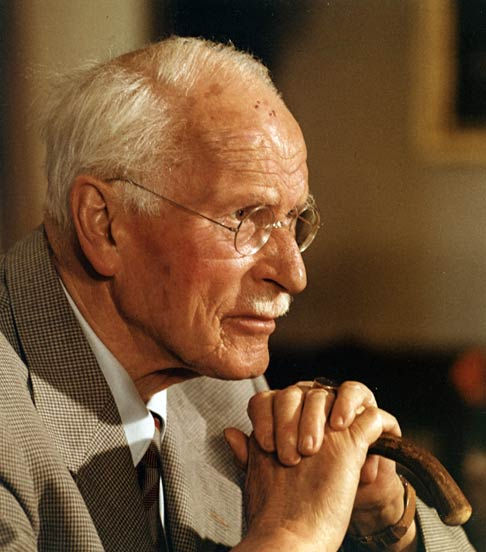
Jungian therapy explores the conscious and unconscious mind
Jungian therapy comes from the work of Swiss psychiatrist Carl Jung. It is a form of psychotherapy that pays close attention to the unconscious, including dreams, symbols, memories, myths, and recurring emotional patterns.
The goal is not just symptom relief. It often focuses on becoming more whole, a process Jung called individuation. That means understanding the parts of the self that have been avoided, hidden, or overused.
“What you resist, persists.” - Carl Jung

How a session can work
A therapist may invite reflection on dreams, images, conflicts, childhood experiences, or strong emotional reactions. A session might include:
Talking through current struggles
Exploring symbols or dreams
Noticing repeated patterns
Working with imagination, art, or journalling

Who it may help
This approach can be useful for people dealing with anxiety, grief, life transitions, identity questions, relationship patterns, or creative blocks. It may also suit people who are curious about meaning, religion, or the deeper roots of emotional pain.
It is usually less structured than some short-term therapies. That can be a strength, but it may not fit everyone.
The takeaway
Jungian therapy works by helping people listen to the parts of themselves that are often pushed aside. Through conversation, dreams, symbols, and self-reflection, it can support deeper self-understanding and change that feels personally meaningful.
If you're looking for an approach to therapy that is influenced by the works of Jung, feel free to book a no charge 15-minute consultation call with me for in-person support in Guelph and across Ontario with online counselling!
Have a question you think would make a great blog post that I could answer? Send me a message at collabpsy@gmail.com and I could address it next time!


